Shoulder PAin
The shoulder joint is the most mobile joint in the body. Due to this fact it is very prone to injuries secondary to instability. The head of the humerus is is 4 times bigger than the glenoid it articulates with. It is supported by the labrum, which is often injured and the muscles of the rotator cuff. When muscles of the rotator cuff, or secondary muscles of respiration are underprepared for the load placed on them, injury occurs.
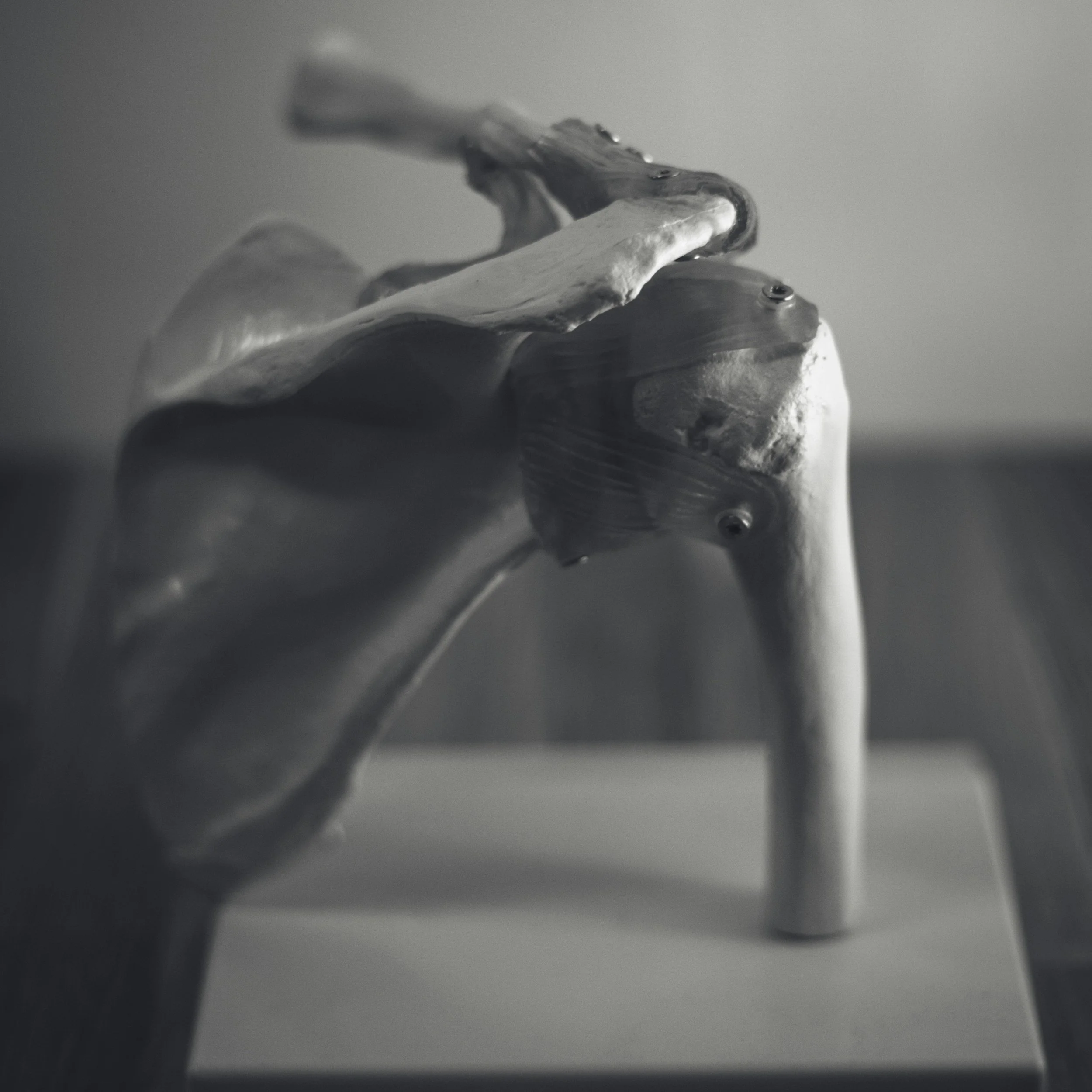
Rotator cuff tears are surprisingly common in asymptomatic individuals, similar to the pattern seen with degenerative meniscal tears in the knee. The prevalence of degenerative rotator cuff tears increases markedly with age, and many individuals harbor tears without experiencing pain or functional limitations.[1]
Rotator cuff disorders account for approximately 65-70% of all shoulder pain presentations, making them the dominant cause of shoulder symptoms, yet the disconnect between structural pathology and symptoms mirrors what occurs in other joints.[2][3] Just as with knee osteoarthritis and low back pain, imaging findings often correlate poorly with clinical presentation—some patients with substantial tears remain asymptomatic while others with minimal structural changes experience significant pain.
The geographic variation in surgical rates is also striking, ranging from 12 to 185 procedures per 100,000 persons across U.S. states—a 15-fold difference that suggests substantial practice variation rather than true differences in disease prevalence or severity.[1]
References
Degenerative Rotator-Cuff Disorders. Jain NB, Khazzam MS. The New England Journal of Medicine. 2024;391(21):2027-2034. doi:10.1056/NEJMcp1909797.
Acute Shoulder Injuries in Adults. Simon LM, Nguyen V, Ezinwa NM. American Family Physician. 2023;107(5):503-512.
Progressive Exercise Compared With Best Practice Advice, With or Without Corticosteroid Injection, for the Treatment of Patients With Rotator Cuff Disorders (GRASP): A Multicentre, Pragmatic, 2 × 2 Factorial, Randomised Controlled Trial. Hopewell S, Keene DJ, Marian IR, et al. Lancet (London, England). 2021;398(10298):416-428. doi:10.1016/S0140-6736(21)00846-1.
Targeted Treatments
Dry Needling
Acupuncture
Myofascial Release
Blood Flow Restriction Training
Therapeutic Exercise