Knee Pain
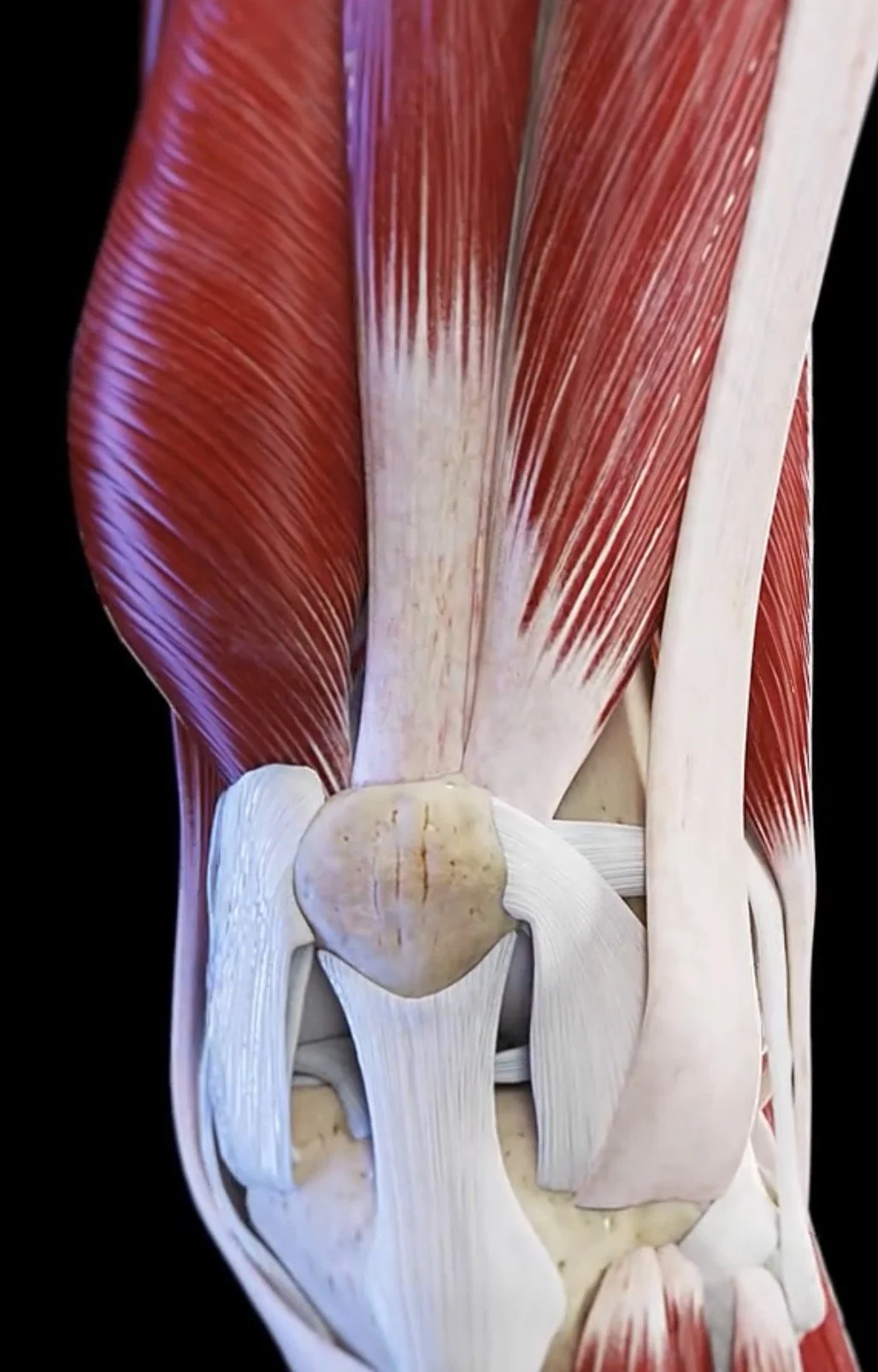
Degenerative meniscal tears are surprisingly common in asymptomatic individuals, with an estimated 12% of the general adult population having meniscal tears, and many of these tears occur without any history of trauma or symptoms.[1] Even more counterintuitive is that for degenerative meniscal tears—even when accompanied by mechanical symptoms like locking or catching—surgery is not indicated and exercise therapy is the first-line treatment.[1]
Another surprising aspect of knee pain is the poor correlation between structural damage and symptoms. In knee osteoarthritis, symptom severity and radiographic findings are often discordant.[2] This discrepancy may reflect pain sensitization (abnormal nociceptive processing in peripheral or central nervous systems), adaptation to chronic pain, or activity modification to avoid pain.[2] Some patients with severe radiographic changes report minimal symptoms, while others with mild structural changes experience significant pain.
The pattern of pain evolution in knee osteoarthritis is also unexpected: episodic pain is predictable in early stages but becomes less predictable and more distressing in late stages.[2] Additionally, despite good outcomes for most patients undergoing total knee arthroplasty, approximately 20% experience chronic pain after surgery, with neuropathic post-surgical pain occurring in up to 34% of cases.[3]
Finally, patellofemoral pain, once considered self-limiting, can persist for years, affecting an estimated 22.7% of the general population and 28.9% of adolescents—far more prevalent than commonly appreciated.[1]
References
Evaluation and Treatment of Knee Pain: A Review. Duong V, Oo WM, Ding C, Culvenor AG, Hunter DJ. JAMA. 2023;330(16):1568-1580. doi:10.1001/jama.2023.19675.
Osteoarthritis of the Knee. Sharma L. The New England Journal of Medicine. 2021;384(1):51-59. doi:10.1056/NEJMcp1903768.
Consensus Guidelines on Interventional Therapies for Knee Pain (STEP Guidelines) From the American Society of Pain and Neuroscience. Hunter CW, Deer TR, Jones MR, et al. Journal of Pain Research. 2022;15:2683-2745. doi:10.2147/JPR.S370469.
Targeted Treatments
Dry Needling
Acupuncture
Myofascial Release
Blood Flow Restriction Training
Therapeutic Exercise