Neck Pain and Headaches

Headaches and neck pain are the #3 and #4 leading causes of Disability worldwide.
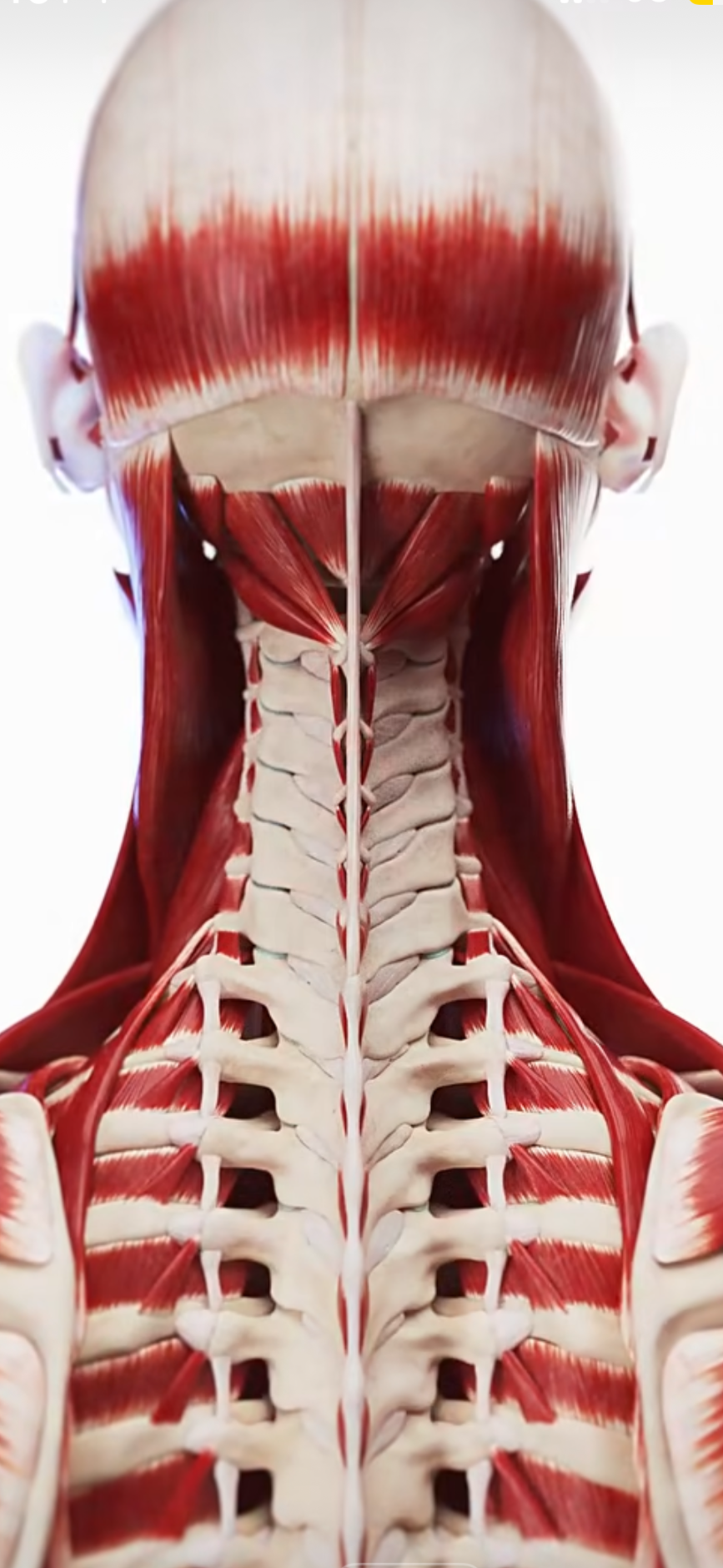
Nearly 50% of people are experiencing ongoing or recurrent neck pain. Neck pain can cause pain in the neck, mid back or even into the shoulder. Studies show that up to 47% of shoulder pain is coming from the neck and can be relieved with targeted treatment to the tissues in the neck referring the pain.
Neck pain is remarkably common in migraine patients, occurring in 73-90% of cases, and there is a positive correlation between headache frequency and neck pain intensity.[1] Even more surprising, neck pain has been identified as a risk factor for developing both migraine and tension-type headache (TTH), challenging the traditional view that neck pain is merely a symptom rather than a potential contributor.[1]
Tension-type headache (TTH) shows more pronounced cervical musculoskeletal impairments than migraine. Patients with TTH demonstrate significantly greater forward head posture (mean difference -6.18°) and reduced cervical range of motion (up to -15° in the transverse plane) compared to controls, while migraine patients show only minimal reductions in cervical ROM.[2]
Neck pain accounts for more variance in headache burden than sleep quantity or even mild traumatic brain injury history in service members seeking primary care, suggesting cervical dysfunction may be a major—and potentially modifiable—factor in headache management.[3]
For treatment, exercise targeting the cervical spine is recommended for both tension-type and cervicogenic headaches. Episodic and chronic TTH should be managed with low-load endurance craniocervical and cervicoscapular exercises, while cervicogenic headache may benefit from these exercises or manual therapy (manipulation with or without mobilization) to the cervical and thoracic spine.[4][5]
References
Neck Pain and Headache: Pathophysiology, Treatments and Future Directions. Al-Khazali HM, Krøll LS, Ashina H, et al. Musculoskeletal Science & Practice. 2023;66:102804. doi:10.1016/j.msksp.2023.102804.
Cervical Musculoskeletal Impairments in Migraine and Tension Type Headache: A Systematic Review and Meta-Analysis. Liang Z, Galea O, Thomas L, Jull G, Treleaven J. Musculoskeletal Science & Practice. 2019;42:67-83. doi:10.1016/j.msksp.2019.04.007.
The Influence of Neck Pain and Sleep Quantity on Headache Burden in Service Members With and Without Mild Traumatic Brain Injury: An Observational Study. Reid MW, Lu LH, Hershaw JN, Kennedy JE. Military Medicine. 2025;190(3-4):e484-e490. doi:10.1093/milmed/usae521.
Are Non-Invasive Interventions Effective for the Management of Headaches Associated With Neck Pain? An Update of the Bone and Joint Decade Task Force on Neck Pain and Its Associated Disorders by the Ontario Protocol for Traffic Injury Management (OPTIMa) Collaboration. Varatharajan S, Ferguson B, Chrobak K, et al. European Spine Journal : Official Publication of the European Spine Society, the European Spinal Deformity Society, and the European Section of the Cervical Spine Research Society. 2016;25(7):1971-99. doi:10.1007/s00586-016-4376-9.
Cervicogenic Headache. Jull G. Musculoskeletal Science & Practice. 2023;66:102787. doi:10.1016/j.msksp.2023.102787.
Targeted Treatments
Chiropractic Adjustments
Therapeutic Exercises
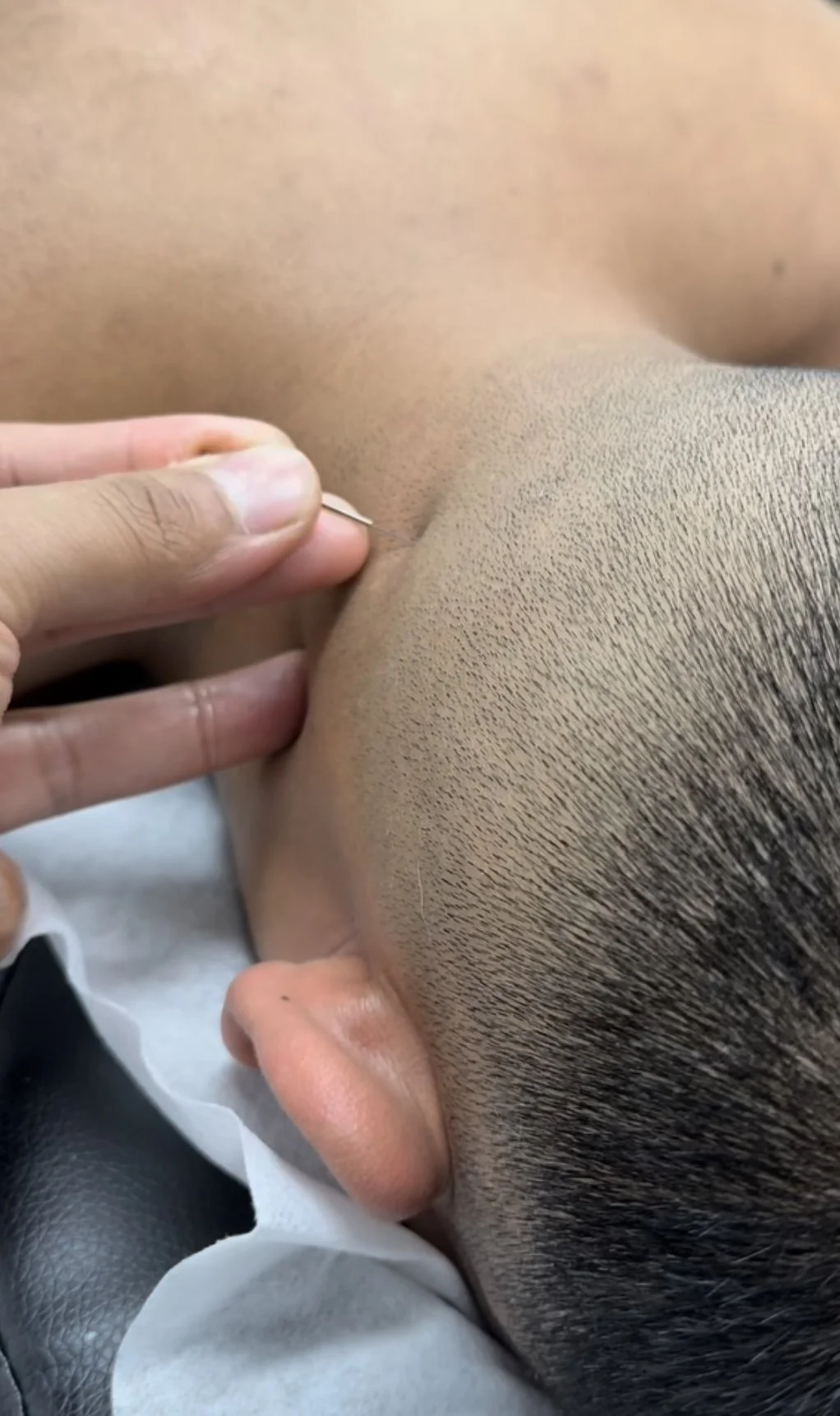
Dry Needling
Acupuncture
TMD Assessment and treatment. (See TMD page)